The music landscape has undergone a radical transformation in the past decade, with genre boundaries becoming increasingly fluid. What began as occasional cross-pollination between styles has evolved into a fundamental reshaping of how artists create and audiences consume music. The most striking manifestation of this shift is the current average of 2.7 genres blended per contemporary track - a statistic that would have been unthinkable during most of music history.
This genre alchemy isn't simply about slapping together disparate elements for novelty's sake. The most successful genre-blending artists demonstrate an almost scholarly understanding of each style's conventions before deconstructing and recombining them in fresh configurations. Take Billie Eilish's whisper-pop meeting industrial hip-hop beats, or Lil Nas X's country-trap hybrid that shattered streaming records - these aren't random collisions but carefully calculated fusions that reveal hidden connections between seemingly unrelated genres.
The streaming era's democratization of music discovery plays a crucial role in this phenomenon. Where previous generations might have grown up with limited exposure to specific regional or cultural genres, today's artists and listeners have instant access to the entire global catalog of recorded music. This has created a generation of musicians who absorb influences as easily as switching playlists, and audiences whose ears are trained to appreciate unexpected combinations.
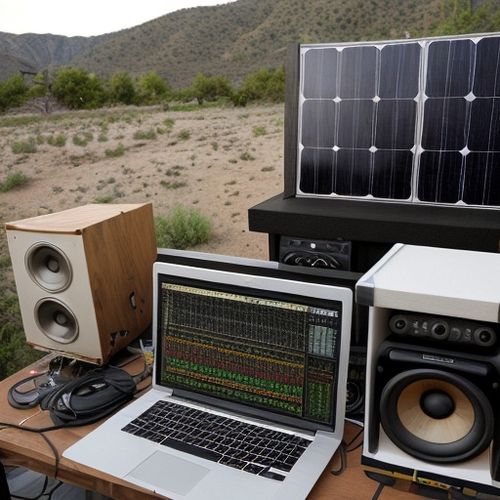
Technology has become both catalyst and canvas for this creative explosion. Digital audio workstations allow producers to manipulate samples and instrumentation with surgical precision, while algorithmic analysis helps identify complementary elements across genres. The bedroom producer with a laptop now has tools that would have required million-dollar studios just twenty years ago, lowering barriers to experimentation. This technological empowerment has led to micro-genres and hyper-specific blends that might have previously existed only in niche communities gaining mainstream traction.
Cultural globalization provides another dimension to this trend. As diaspora communities maintain stronger ties to their musical roots while engaging with global pop culture, the resulting fusions feel both innovative and authentic. K-pop's assimilation of American hip-hop and EDM with traditional Korean elements demonstrates how genre blending can become a form of cultural dialogue rather than appropriation. Similarly, Latin trap and Afrobeat's worldwide success showcase how regional styles can evolve through cross-pollination while retaining their distinctive identities.
The commercial implications are equally fascinating. Where record labels once demanded clearly marketable genre categorization, many now actively encourage boundary-pushing combinations. Playlist culture rewards tracks that can comfortably sit in multiple mood- or activity-based categories, giving blended songs algorithmic advantages. This has created a feedback loop where artists are incentivized to create music that defies simple classification while still maintaining broad appeal.
Critics argue that this trend toward amalgamation risks diluting what makes individual genres special. There's concern that as everything blends together, we may lose the distinctive characteristics that gave various styles their power and identity. However, counterexamples suggest that rather than erasing differences, successful genre blending often highlights the unique qualities of each component by placing them in fresh contexts. The tension between preservation and innovation has always driven musical evolution.
Looking ahead, the 2.7 genres-per-track average seems likely to increase rather than stabilize. Emerging artists show even less allegiance to traditional categories, treating the entire history of recorded music as a palette to draw from. As AI-assisted composition tools mature, we may see even more sophisticated blending that human musicians might not conceive of organically. What remains constant is the audience's appetite for novelty balanced with familiarity - that magical sweet spot where genre blending creates the thrilling sensation of hearing something simultaneously unprecedented and instantly recognizable.
The implications extend beyond just musical enjoyment. In an increasingly fragmented society, the ability of genre-blended music to appeal across demographic lines suggests it may play an important role in cultural cohesion. When a single track can get played at both hipster cafes and suburban malls, when it appears on both rap and rock playlists, it creates shared experiences that transcend traditional audience segmentation. In this sense, the rise of genre fluidity in music might reflect and facilitate broader societal shifts toward boundary-crossing and hybrid identities.
Musicologists note that while the current pace and scale of genre blending is unprecedented, the phenomenon itself is ancient. Jazz emerged from the collision of African rhythms and European harmonic traditions, rock from the marriage of blues and country. What's different today is the sheer volume of potential influences available and the speed at which new combinations can proliferate globally. Where past genre fusions might have developed regionally over decades, today's blends can go viral overnight.
This acceleration raises interesting questions about how we'll categorize music moving forward. Traditional genre labels seem increasingly inadequate to describe what we're hearing. Some platforms have experimented with tag-based systems or mood descriptors instead of rigid genre classifications. As the combinations multiply, we may need entirely new frameworks for discussing and discovering music that acknowledge its inherent hybridity.
The creative possibilities seem limitless, but so do the challenges for artists navigating this new landscape. Standing out requires both deep genre knowledge and the courage to break its rules. The most exciting music being made today often comes from artists who treat genre not as a constraint but as a playground - respecting traditions while joyfully subverting them. In doing so, they're not just making great art but reshaping our very understanding of what categories like "pop," "rock," or "hip-hop" can mean.
As listeners, we're the beneficiaries of this creative explosion. Our playlists have become more diverse and surprising than ever before, reflecting the increasingly interconnected world we inhabit. The average of 2.7 genres per song isn't just a statistic - it's evidence of music's endless capacity for reinvention, and of artists' determination to find new ways to move us, challenge us, and make us hear the world differently.
By Emily Johnson/Apr 14, 2025
By Laura Wilson/Apr 14, 2025
By Sophia Lewis/Apr 14, 2025
By Olivia Reed/Apr 14, 2025
By Amanda Phillips/Apr 14, 2025
By Victoria Gonzalez/Apr 14, 2025
By Samuel Cooper/Apr 14, 2025
By Thomas Roberts/Apr 14, 2025
By Jessica Lee/Apr 14, 2025
By Noah Bell/Apr 14, 2025
By Ryan Martin/Apr 14, 2025

By John Smith/Apr 14, 2025

By Lily Simpson/Apr 14, 2025
By William Miller/Apr 14, 2025

By Eric Ward/Apr 14, 2025

By Megan Clark/Apr 14, 2025
By Ryan Martin/Apr 14, 2025
By Noah Bell/Apr 14, 2025
By Lily Simpson/Apr 14, 2025

By Sarah Davis/Apr 14, 2025