The landscape of classical music composition has undergone a subtle but significant shift over the past century. Where major keys once dominated concert halls and opera houses, recent research reveals an unmistakable trend: minor key works have been steadily increasing their share of the repertoire. This gradual transformation in tonal preference speaks volumes about changing artistic sensibilities and perhaps even broader cultural evolution.
The historical dominance of major keys in Western classical music was never accidental. For centuries, the brighter, more consonant sound of major tonalities aligned perfectly with prevailing aesthetic ideals. From Baroque dance suites to Classical era symphonies, major keys provided what was considered "proper" musical grammar - the aural equivalent of architectural symmetry. Even when composers ventured into minor territories, these works often represented deliberate departures from the norm rather than default choices.
Early statistical analyses of 18th and 19th century compositions show minor key works accounting for barely 30% of output. The imbalance was particularly pronounced in certain forms - sonatas and concertos overwhelmingly favored major keys, while symphonies showed slightly more balance. Opera provided something of an exception, where minor key arias appeared with relative frequency to portray tragedy or despair. Yet even here, the final curtain typically fell on a major chord.
A turning point emerged in the late Romantic period, as chromaticism and emotional intensity pushed composers toward darker tonal palettes. Works like Tchaikovsky's Pathétique Symphony and Mahler's darker movements demonstrated how minor keys could convey profound psychological depth. This period planted seeds for what would become a century-long shift in compositional priorities.
The early 20th century saw this trend accelerate. As tonality itself came under pressure from modernism, the traditional major/minor dichotomy took on new meanings. Minor keys became vehicles for expressing modernist anxiety and disillusionment. Shostakovich's symphonies, Berg's operas, and Bartók's chamber works all contributed to minor key's rising status - no longer just an alternative, but often the preferred mode for serious artistic statement.
Post-war composition revealed an even more pronounced tilt toward minor tonalities. Analysis of works composed between 1950-2000 shows minor key pieces approaching parity with major key works for the first time in history. The trauma of war, existential philosophy, and increasing interest in non-Western musical traditions (many of which use different modal systems) all likely contributed to this shift. Composers found in minor keys greater capacity for ambiguity and tension - qualities that resonated with contemporary sensibilities.
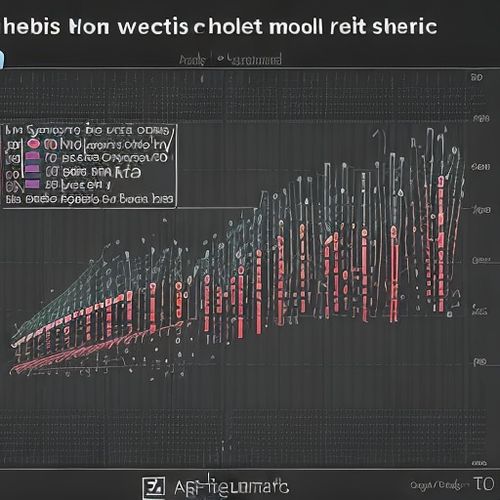
Recent decades have cemented minor keys' ascendance in new music composition. Data from major music publishers and performance databases indicates that since 2000, over 55% of new classical works employ minor keys as their primary tonal center. This represents a complete reversal of the 18th century ratio. Even in traditionally major-dominated forms like the string quartet, minor keys now predominate in contemporary composition.
The reasons behind this century-long trend are undoubtedly complex. Some musicologists point to broader cultural factors - the 20th century's wars and social upheavals created collective psychological shifts that minor keys could articulate. Others note technical developments: as equal temperament became universal, the distinctive "color" of minor keys lost some of its historical associations with imperfection or instability, making them more versatile.
Performance practice has evolved alongside compositional trends. Where minor key works were once considered specialized repertoire, today's musicians approach them as core literature. This normalization has likely encouraged more composers to work in minor keys without concern for performance limitations. The rise of historically informed performance has also revealed previously overlooked expressive possibilities in minor key Baroque and Classical works.
Audience reception appears to have shifted as well. Where earlier listeners might have found prolonged minor key music depressing or difficult, contemporary audiences demonstrate equal appreciation for both tonalities. Some research even suggests minor key works now receive more enthusiastic responses in certain contexts, perhaps because their emotional complexity resonates with modern listeners.
The implications of this trend extend beyond mere statistics. As minor keys achieve parity (and perhaps eventual dominance), the very meaning of musical tonality continues evolving. What was once a clear symbolic language - major for joy, minor for sorrow - has become a more nuanced spectrum. Contemporary composers increasingly exploit the gray areas between tonalities, creating works that hover ambiguously between major and minor or modulate fluidly between them.
This tonal shift also reflects changing ideas about music's purpose. Where major keys traditionally supported music's decorative or entertainment functions, minor keys have become associated with artistic depth and intellectual seriousness. Whether this represents genuine aesthetic progress or merely changing fashion remains open for debate.
Looking ahead, the trajectory suggests minor keys may continue gaining ground. Young composers today appear even more likely to choose minor tonalities than their teachers' generation. Digital tools for music analysis now allow real-time tracking of these trends, confirming the minor key's rise across genres from film scores to video game music.
Yet the story remains incomplete. Major keys still dominate certain areas like musical theater and light classical genres. And some composers are pushing back against what they see as minor key overuse, consciously reviving major tonality's expressive potential. The next century may well see new tonal balances emerge as composers continue redefining music's emotional language.
What emerges clearly from the data is that our century-long journey toward minor keys represents more than statistical fluctuation. It reflects profound changes in how composers hear the world and how listeners want to feel. The rise of minor tonality mirrors our growing comfort with complexity, our willingness to sit with unresolved tension, and our desire for art that speaks to life's shadows as well as its light.
By Emily Johnson/Apr 14, 2025
By Laura Wilson/Apr 14, 2025
By Sophia Lewis/Apr 14, 2025

By Olivia Reed/Apr 14, 2025
By Amanda Phillips/Apr 14, 2025
By Victoria Gonzalez/Apr 14, 2025
By Samuel Cooper/Apr 14, 2025
By Thomas Roberts/Apr 14, 2025
By Jessica Lee/Apr 14, 2025
By Noah Bell/Apr 14, 2025
By Ryan Martin/Apr 14, 2025

By John Smith/Apr 14, 2025

By Lily Simpson/Apr 14, 2025

By William Miller/Apr 14, 2025

By Eric Ward/Apr 14, 2025
By Megan Clark/Apr 14, 2025
By Ryan Martin/Apr 14, 2025

By Noah Bell/Apr 14, 2025
By Lily Simpson/Apr 14, 2025

By Sarah Davis/Apr 14, 2025