For decades, heavy metal music has been synonymous with raw power, blistering guitar solos, and thunderous drums. But beneath the surface of this electrifying genre lies a less-discussed reality: the potential for accelerated hearing damage, particularly from the high-frequency elements that define its signature sound. Recent spectrum analysis reveals that the very frequencies that give metal its cutting edge may also be cutting into listeners' auditory health at an alarming rate.
Unlike other musical styles, heavy metal deliberately emphasizes frequencies between 2kHz and 8kHz - the range where human hearing is most sensitive. Guitar harmonics, cymbal crashes, and aggressive vocal techniques all converge in this dangerous sweet spot. Audio engineers have long known that prolonged exposure to sounds above 85 decibels causes hearing loss, but metal's unique spectral signature appears to accelerate the damage process through particular frequency combinations.
The science behind this phenomenon is both fascinating and concerning. When high-frequency sound waves enter the ear, they create intense vibrations in the basilar membrane of the cochlea. The hair cells responsible for detecting these frequencies are smaller and more fragile than those for lower ranges. Metal's constant barrage of high-pitched tones essentially overworks these delicate structures, leading to faster degeneration compared to exposure to lower frequencies at similar volumes.
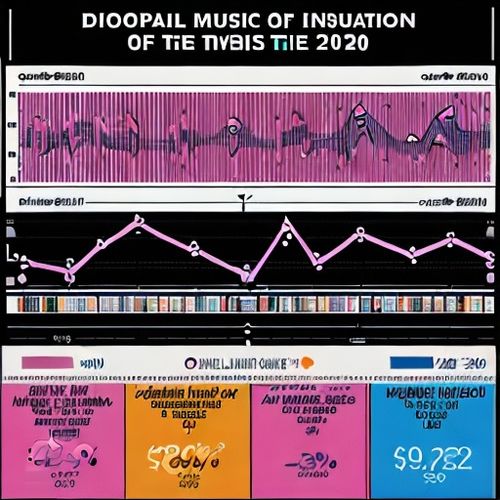
Modern production techniques have unintentionally exacerbated the problem. The quest for brighter, more aggressive tones has led to excessive boosting in the 4-6kHz range during mixing. This "presence peak" gives instruments their cutting power in a dense mix but comes at a cost. Spectrum graphs of contemporary metal tracks show sustained energy in this region at levels rarely seen in other genres, creating what audiologists call a "perfect storm" for hearing damage.
Musicians face the greatest risk, with many reporting tinnitus and measurable hearing loss after just a few years of playing. The traditional metal band setup - loud guitar amps positioned at ear level, crashing cymbals in close proximity, and screaming vocals - creates an environment where high frequencies attack from multiple directions. Backline technicians report that guitarists' stage volumes frequently hit 110dB, with high-frequency content up to 10dB louder than the fundamental tones.
What makes metal particularly insidious is how the damage manifests. Unlike the obvious discomfort caused by low-frequency distortion, high-frequency hearing loss occurs almost imperceptibly. The brain compensates for early-stage damage by increasing its sensitivity to remaining frequencies, creating a false sense of normalcy. By the time fans or musicians notice difficulty hearing speech in noisy environments or perceiving certain consonant sounds, significant irreversible damage has already occurred.
The live concert environment compounds these risks exponentially. Stadium reverberation amplifies high frequencies through reflective surfaces, while the adrenaline of performance masks listeners' natural volume-limiting instincts. Recent measurements at major metal festivals showed sustained 103dB SPL (sound pressure level) with peaks at 118dB - well into the danger zone. The high-frequency components in these environments can reach intensities that damage hearing after just 15 minutes of exposure.
Some audiologists suggest that metal's harmonic structure makes it uniquely hazardous. Power chords rich in upper harmonics create complex waveforms that simultaneously stimulate multiple frequency regions in the cochlea. This "frequency stacking" effect may explain why metal fans show hearing damage patterns distinct from those exposed to industrial noise at similar decibel levels. The music essentially tricks the ear into processing multiple damaging frequencies as a single powerful sound.
Protective measures exist but face cultural resistance. Many musicians view earplugs as antithetical to metal's rebellious spirit, while fans consider hearing protection a barrier to the full concert experience. However, specialized high-fidelity earplugs that attenuate frequencies evenly are gaining acceptance. These devices reduce volume without sacrificing clarity, potentially preserving both the music's impact and listeners' hearing.
The recording industry bears some responsibility for this crisis. The "loudness war" - the competition to make recordings sound as punchy as possible - has pushed metal productions to increasingly extreme frequency balances. Mastering engineers report that metal tracks now routinely show 6-8dB more high-frequency energy than tracks from the 1980s, when analog tape naturally rolled off extreme highs. This artificial brightness, while exciting in the short term, may be contributing to long-term auditory damage.
Emerging research suggests generational consequences. Teenagers exposed to high-frequency-intensive music show measurable hearing deterioration much earlier than previous generations. Some studies indicate that young metal fans in their twenties now exhibit hearing profiles typical of fifty-year-olds. This premature aging of auditory systems could have profound implications for future generations of musicians and music lovers alike.
Solutions require changing industry standards and fan behavior simultaneously. Some forward-thinking bands now incorporate hearing protection into their merchandise offerings, while smarter venue designs aim to control high-frequency reflections. On the production side, engineers are experimenting with techniques that preserve metal's aggressive sound while reducing dangerous frequency buildups. The challenge lies in maintaining the music's visceral impact while protecting the very mechanism that allows us to experience it.
The relationship between metal and hearing damage reflects a broader cultural tension between artistic expression and physical well-being. As our understanding of auditory science deepens, the metal community faces difficult choices about preserving its signature sound without sacrificing the hearing of its creators and fans. The high frequencies that give the music its edge may ultimately require careful handling - not as elements to eliminate, but as powerful forces to respect and responsibly harness.

By Emily Johnson/Apr 14, 2025
By Laura Wilson/Apr 14, 2025
By Sophia Lewis/Apr 14, 2025

By Olivia Reed/Apr 14, 2025

By Amanda Phillips/Apr 14, 2025

By Victoria Gonzalez/Apr 14, 2025
By Samuel Cooper/Apr 14, 2025
By Thomas Roberts/Apr 14, 2025

By Jessica Lee/Apr 14, 2025

By Noah Bell/Apr 14, 2025

By Ryan Martin/Apr 14, 2025

By John Smith/Apr 14, 2025

By Lily Simpson/Apr 14, 2025

By William Miller/Apr 14, 2025

By Eric Ward/Apr 14, 2025

By Megan Clark/Apr 14, 2025
By Ryan Martin/Apr 14, 2025

By Noah Bell/Apr 14, 2025
By Lily Simpson/Apr 14, 2025

By Sarah Davis/Apr 14, 2025