The Recycling Process of Plastic Bottle Deposits in Germany

Apr 14, 2025 By Emma Thompson

Germany’s deposit return system for plastic bottles is often hailed as one of the most efficient in the world. The process, known as Pfand, has become deeply ingrained in the country’s culture, encouraging consumers to return their empty bottles rather than discard them. The system not only reduces litter but also ensures a high rate of recycling, contributing to Germany’s reputation as a leader in environmental sustainability.


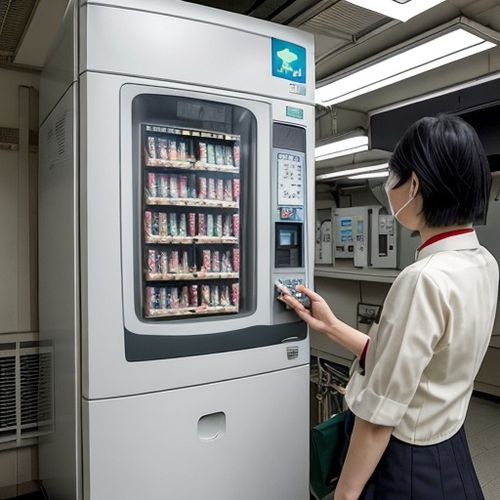
The concept is straightforward: when purchasing a bottled beverage, consumers pay a small deposit, typically ranging from 8 to 25 cents, depending on the container type. This deposit is refunded when the empty bottle is returned to a collection point. Supermarkets, beverage stores, and even some public spaces are equipped with reverse vending machines that scan and sort the bottles, issuing a receipt for the refund. The ease and accessibility of these machines make participation nearly effortless for consumers.


What sets Germany’s system apart is its comprehensive coverage. Nearly all single-use plastic bottles, as well as glass bottles and aluminum cans used for beverages, are included. The only exceptions are wine and spirits bottles, which are recycled through a separate system. This broad inclusion ensures that the majority of beverage containers are captured by the recycling loop, minimizing waste and maximizing material recovery.


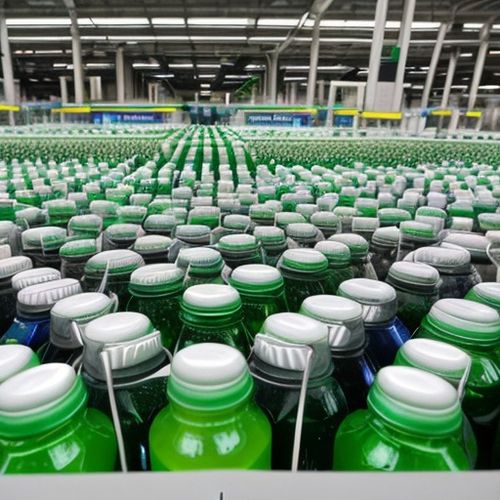
The returned bottles undergo a rigorous sorting and cleaning process before being recycled. Plastic bottles, for instance, are shredded into flakes, washed, and melted down to produce new bottles or other plastic products. Glass bottles are cleaned and reused multiple times before being crushed and recycled into new glass items. The efficiency of this closed-loop system significantly reduces the demand for virgin materials, lowering the environmental footprint of beverage packaging.


Public awareness and participation play a crucial role in the system’s success. Germans are accustomed to the Pfand system from an early age, and returning bottles is seen as a civic duty rather than an inconvenience. Retailers also play their part by prominently displaying deposit information and ensuring that reverse vending machines are well-maintained and accessible. This collective effort has led to a return rate of over 98% for eligible containers, a figure that many other countries strive to emulate.


Despite its success, the system is not without challenges. One issue is the handling of bottles purchased in other EU countries, which may not carry a German deposit. These bottles often end up in the system anyway, creating minor logistical complications. Additionally, the cost of maintaining the infrastructure, including the reverse vending machines, is borne by retailers and beverage producers, who sometimes pass these expenses on to consumers in the form of slightly higher prices.


Looking ahead, Germany continues to refine its deposit return system. Recent discussions have focused on expanding the program to include more types of packaging, such as juice cartons, to further reduce waste. Innovations in recycling technology, such as improved sorting mechanisms and more efficient cleaning processes, are also being explored to enhance the system’s sustainability. As environmental concerns grow globally, Germany’s Pfand system serves as a model for how structured incentives and public engagement can drive meaningful change in waste management.


The environmental benefits of the system are undeniable. By keeping millions of plastic bottles out of landfills and incinerators each year, Germany significantly cuts down on pollution and resource consumption. The recycled materials also reduce the need for new plastic production, which is a major contributor to greenhouse gas emissions. In this way, the deposit return system aligns with broader climate goals, demonstrating how small, everyday actions can collectively make a substantial impact.


For visitors to Germany, the Pfand system can initially seem confusing, but it quickly becomes second nature. Tourists are often pleasantly surprised by the cleanliness of public spaces, a direct result of the high return rates for bottles and cans. The system’s success has inspired similar initiatives in other countries, though few have matched Germany’s efficiency and participation rates. As the world grapples with plastic pollution, the German model offers valuable lessons in how policy, infrastructure, and cultural habits can work together to create a sustainable solution.

Recommend Posts
Life

Paris Shared Bicycle Parking Electronic Fencing

By Jessica Lee/Apr 14, 2025

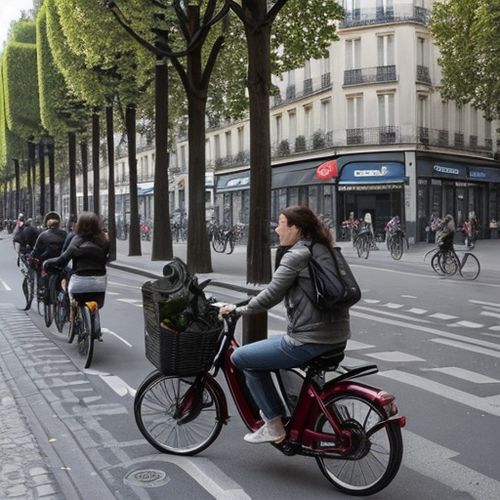
The streets of Paris have long been a battleground between pedestrians, cyclists, and the ever-growing fleet of shared electric bikes. As the popularity of these convenient rides soars, so does the chaos of haphazardly parked two-wheelers blocking sidewalks and clogging public spaces. Now, City Hall is fighting back with an ambitious new system of geofenced parking zones that could reshape how urban mobility functions in the French capital.
Life

The Necessity of Purchasing Gravel Insurance for Car Rentals in Iceland

By Michael Brown/Apr 14, 2025

Renting a car in Iceland offers unparalleled freedom to explore its dramatic landscapes, from cascading waterfalls to sprawling glaciers. However, the rugged terrain and unpredictable weather conditions pose unique challenges for drivers. One of the most debated topics among travelers is whether purchasing gravel protection insurance, commonly referred to as "sand and ash" coverage, is a necessity or an unnecessary expense.
Life

Singapore ERP Toll Peak-Avoidance Routes

By Michael Brown/Apr 14, 2025

Singapore's Electronic Road Pricing (ERP) system has long been a cornerstone of the city-state's traffic management strategy. Designed to regulate congestion by imposing tolls during peak hours, the ERP has successfully kept traffic flowing smoothly on major expressways and arterial roads. However, as urban mobility patterns evolve, savvy drivers are increasingly seeking alternative routes to avoid ERP charges while still reaching their destinations efficiently. This has given rise to a growing interest in "ERP-avoidance routes" – clever detours that bypass gantries without significantly increasing travel time.
Life

Oyster Card Recharge Discount Periods in London

By Emma Thompson/Apr 14, 2025

London’s Oyster card system is a staple for both commuters and visitors navigating the city’s extensive public transport network. While the convenience of tap-and-go travel is widely appreciated, fewer people are aware of the strategic opportunities to save money through off-peak top-ups and promotional periods. Understanding when and how to recharge your Oyster card can lead to significant savings over time, especially for frequent travelers.
Life

Distribution of Electric Vehicle Charging Stations at U.S. Highway Rest Areas

By Elizabeth Taylor/Apr 14, 2025

The landscape of electric vehicle (EV) charging infrastructure in the United States has undergone a dramatic transformation in recent years. Nowhere is this more evident than at the humble highway rest stop, which has quietly evolved from a place for tired drivers to grab coffee and stretch their legs into a critical node in the nation's electrification network. As millions of Americans take to the highways in EVs each year, the availability of charging stations at these convenient intervals has become not just a matter of convenience, but of practical necessity for long-distance travel.
Life

European Cross-Country Train Ticket Discount Combinations

By Eric Ward/Apr 14, 2025

Traveling across Europe by train has long been considered one of the most scenic and efficient ways to explore the continent. With an extensive rail network connecting major cities and picturesque towns, the convenience of hopping from one country to another is unparalleled. However, the cost of multiple train tickets can quickly add up, making it essential for travelers to seek out the best deals and discount combinations available. Fortunately, Europe offers a variety of that cater to different travel styles, budgets, and itineraries.
Life

Japanese Subway Quiet Car Etiquette

By Amanda Phillips/Apr 14, 2025

The concept of silence is deeply embedded in Japanese culture, and nowhere is this more evident than in the country's famous "quiet carriages" on trains and subways. These designated areas, marked by subtle signage and understood through unspoken social contracts, offer commuters a respite from the usual noise of public transport. The rules governing these spaces aren't merely suggestions—they're a reflection of Japan's intricate web of social etiquette that prioritizes collective comfort over individual expression.
Life

Hidden Services at Dubai Duty-Free

By Sarah Davis/Apr 14, 2025

For decades, Dubai Duty Free has been synonymous with luxury shopping and last-minute travel indulgences. What most travelers don’t realize, however, is that beyond the glittering aisles of perfumes, chocolates, and gold lies a world of hidden services designed to elevate the shopping experience. These lesser-known offerings transform the typical duty-free run into something far more personalized and convenient.
Life

Barcode Recognition of French Wine Production Areas

By Emily Johnson/Apr 14, 2025

The world of French wine is a labyrinth of tradition, terroir, and meticulous craftsmanship. Among the many tools available to enthusiasts and professionals alike, the humble barcode has emerged as an unexpected yet powerful ally in identifying and understanding wines from France's prestigious regions. While the romantic image of a sommelier deciphering a label through years of experience remains iconic, modern technology has quietly revolutionized how we interact with these bottles. The barcode, often overlooked in favor of more glamorous authentication methods, carries within its stripes a wealth of information waiting to be unlocked.
Life

Preventing Accidental Touches at Australian Supermarket Self-Checkouts

By Noah Bell/Apr 14, 2025

Australian supermarkets have been at the forefront of retail innovation, particularly when it comes to self-checkout systems. These systems, designed to streamline the shopping experience, have become a staple in major chains like Woolworths and Coles. However, one persistent issue has been accidental touches or mis-scans, which can frustrate both customers and staff. In response, retailers have been rolling out subtle but effective design changes to minimize these errors.
Life

Japan's Vending Machines Energy Saving Mode

By Natalie Campbell/Apr 14, 2025

Japan’s vending machine culture is a fascinating blend of convenience and innovation. These ubiquitous machines, found on nearly every street corner, offer everything from hot coffee to chilled beverages and even fresh meals. However, with thousands of machines operating around the clock, energy consumption has become a pressing concern. In response, manufacturers and businesses have developed sophisticated energy-saving modes to reduce electricity usage without compromising service. This shift reflects Japan’s broader commitment to sustainability and technological efficiency.
Life

The Recycling Process of Plastic Bottle Deposits in Germany

By Emma Thompson/Apr 14, 2025

Germany’s deposit return system for plastic bottles is often hailed as one of the most efficient in the world. The process, known as Pfand, has become deeply ingrained in the country’s culture, encouraging consumers to return their empty bottles rather than discard them. The system not only reduces litter but also ensures a high rate of recycling, contributing to Germany’s reputation as a leader in environmental sustainability.
Life

Methods for Identifying Food Hygiene in Thai Night Markets

By Sophia Lewis/Apr 14, 2025

Walking through the vibrant night markets of Thailand, visitors are immediately enveloped in a sensory overload of sizzling woks, aromatic herbs, and the cheerful banter of vendors. These bustling open-air bazaars represent the heart of Thai street food culture, where skewers of satay compete with mango sticky rice for attention. However, beneath this culinary carnival lies an often-overlooked question: how does one navigate food safety in these unregulated gastronomic playgrounds?
Life

American Costco Bulk Storage Tips

By Natalie Campbell/Apr 14, 2025

For many American households, shopping at Costco has become a weekly ritual. The warehouse giant’s promise of bulk savings is irresistible, but without proper storage strategies, those giant packages can lead to waste rather than savings. Mastering the art of storing Costco-sized purchases isn’t just about saving money—it’s about maximizing space, preserving freshness, and reducing unnecessary trips to the store. Whether you’re a family of five or a meal-prepping singleton, these techniques can transform the way you handle bulk groceries.
Life

Tips for Heating Ready-to-Eat Foods in Korean Convenience Stores

By Samuel Cooper/Apr 14, 2025

South Korea’s convenience stores are a paradise for quick, delicious, and affordable meals. From steaming hot kimbap to savory instant noodles, these ready-to-eat options have become a staple for busy commuters, students, and even late-night snackers. However, one crucial aspect that enhances the experience is knowing how to properly heat these meals. While it might seem straightforward, there are nuances to microwaving or using hot water baths that can make all the difference between a soggy disappointment and a perfectly heated treat.
Life

UK Supermarket Discount Code Usage Period

By Thomas Roberts/Apr 14, 2025

The rhythm of British supermarket shopping has undergone a quiet revolution in recent years, with discount codes and promotional time slots becoming as much a part of the national psyche as queuing or discussing the weather. These digital vouchers and their optimal usage windows now dictate shopping patterns for millions of households across the UK, creating subtle but significant shifts in consumer behavior and retail strategy alike.
Life

Italian Supermarket Olive Oil Selection Signs"

By Benjamin Evans/Apr 14, 2025

Walking down the olive oil aisle in an Italian supermarket can feel like navigating a culinary treasure map. The sheer variety of bottles, labels, and designations might overwhelm even seasoned shoppers. Yet understanding the subtle language of these labels unlocks the secret to bringing authentic Mediterranean flavors into your kitchen.
Life

Vertical Greening Plan for Small Apartments in New York

By Eric Ward/Apr 14, 2025

New York City has long been a pioneer in urban innovation, and its latest venture into vertical greening for small apartments is no exception. As space becomes an increasingly precious commodity, architects and urban planners are turning their attention upward, transforming bare walls and cramped balconies into lush, green oases. This movement isn’t just about aesthetics—it’s a response to the growing need for sustainable living solutions in one of the world’s most densely populated cities.
Life

Soundproofing Renovation of French Vintage Apartments

By Olivia Reed/Apr 14, 2025

The charm of old Parisian apartments is undeniable. With their high ceilings, ornate moldings, and herringbone parquet floors, these architectural treasures transport residents back to a more elegant era. However, anyone who has lived in one knows they come with an achilles heel: the atrocious sound insulation that turns every footstep into a thunderclap and every conversation into a public broadcast.
Life

Guidelines for the Use of Public Spaces in Singapore's HDB Flats

By Jessica Lee/Apr 14, 2025

Singapore’s public housing system, known as Housing and Development Board (HDB) flats, is a cornerstone of the nation’s urban planning and social policy. The meticulous design and regulation of shared spaces within these estates reflect the government’s commitment to fostering community harmony and efficient land use. Public spaces in HDB estates are not merely functional; they serve as vital communal hubs where residents interact, children play, and neighbors build relationships. Understanding the rules governing these spaces is essential for maintaining order and ensuring that everyone can enjoy these areas equitably.