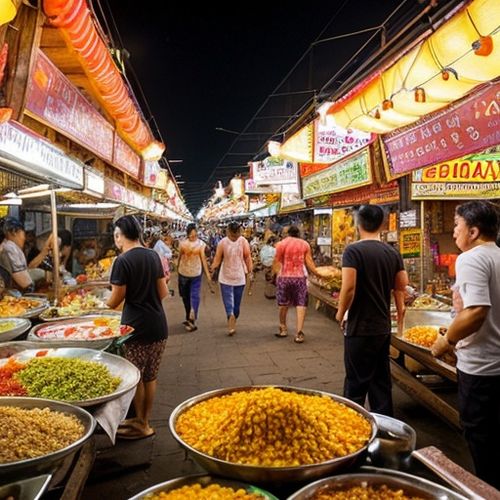
Walking through the vibrant night markets of Thailand, visitors are immediately enveloped in a sensory overload of sizzling woks, aromatic herbs, and the cheerful banter of vendors. These bustling open-air bazaars represent the heart of Thai street food culture, where skewers of satay compete with mango sticky rice for attention. However, beneath this culinary carnival lies an often-overlooked question: how does one navigate food safety in these unregulated gastronomic playgrounds?
The Thai government has implemented various hygiene standards for night market vendors, though enforcement remains inconsistent across different regions. Observant travelers quickly learn that cleanliness indicators aren't always displayed through official certificates, but rather through subtle cues in the vendor's operation. A busy stall with high turnover typically means ingredients don't sit out for prolonged periods, while the presence of local customers suggests community-approved quality.
Temperature control proves one of the most reliable markers of food safety. Vendors who keep raw meats properly iced or maintain soups at rolling boils demonstrate better hygiene awareness. The visual separation between raw and cooked ingredients speaks volumes - watch for vendors who use different utensils or cutting boards for proteins and vegetables. Plastic gloves, while appearing sanitary, often provide false security when reused or not changed between tasks.
Water sources present another critical factor in assessing market food safety. Stall operators who wash utensils in standing water pose greater risks than those connected to running water systems. The clever use of disposable banana leaf wrappers or fresh lettuce cups often indicates an understanding of cross-contamination prevention. Meanwhile, the condensation on improperly stored ice or the reuse of serving containers without proper washing should raise immediate red flags.
Regional differences significantly impact food safety standards across Thailand's markets. Northern markets near the Burmese border might showcase different preservation techniques compared to southern seafood-dominated stalls in Phuket. The prevalence of fermentation in Isan cuisine naturally extends food shelf life, while tropical coastal regions face greater challenges with seafood spoilage. Seasoned market-goers develop an eye for these geographical nuances, recognizing that what appears questionable in one context might represent traditional food wisdom in another.
Payment handling reveals much about a vendor's hygiene consciousness. Those who separate money handling from food preparation - perhaps using a dedicated cashier or a separate money bowl - demonstrate better practices. The increasing adoption of mobile payments in urban markets has unexpectedly improved this aspect of food safety. Conversely, watching a vendor flip pork skewers with the same hand that just made change should give any diner pause.
The condition of cooking oil serves as a telltale indicator of a stall's standards. Dark, viscous oil that smokes at low temperatures suggests dangerous levels of degradation, while clear oil with minimal sediment points to regular changing. Some veteran market visitors claim they can smell rancid oil from several stalls away. Deep-fried delicacies might taste divine, but the medium of their preparation warrants scrutiny equal to the ingredients themselves.
Ingredient sourcing remains largely invisible to consumers but manifests in the final product's quality. Vendors who peel and chop vegetables to order generally maintain better standards than those working with pre-cut produce. The presence of whole herbs and spices rather than pre-ground mixtures often indicates fresher components. In seafood stalls, clear eyes and bright red gills on fish, along with firm, translucent flesh, suggest proper handling from catch to grill.
Cultural context plays a fascinating role in Thai market food safety. What Westerners might perceive as lax standards sometimes represent centuries-old preservation techniques. The liberal use of lime juice, garlic, and chilies isn't just about flavor - these ingredients possess natural antimicrobial properties. Traditional fermentation methods transform potential food safety hazards into celebrated delicacies like pla ra (fermented fish). Understanding these cultural adaptations helps distinguish between genuine risks and unfamiliar but safe practices.
Tourists often overlook the importance of vendor health in assessing food safety. Stall operators who appear ill, particularly with respiratory symptoms, pose contamination risks through droplet transmission. The handling of ready-to-eat foods like fresh fruits becomes especially concerning in such cases. Conversely, vendors who cover coughs, wear masks when appropriate, and maintain good personal hygiene typically extend these standards to their food preparation.
The aftermath of the COVID-19 pandemic left visible improvements in some market hygiene practices, particularly in tourist-heavy areas. Increased use of sneeze guards, hand sanitizer availability, and single-use packaging became more common. However, these changes remain unevenly adopted, with traditional markets outside major cities showing less transformation. The most hygiene-conscious vendors now prominently display their post-pandemic protocols as a selling point to cautious consumers.
Seasonal considerations dramatically affect food safety in Thai markets. The rainy season introduces moisture-related challenges for dry goods, while extreme heat accelerates spoilage of perishables. During monsoon months, watch for proper covering of ingredients and elevated storage that prevents water contamination. The smartest vendors adjust their menus according to what ingredients remain safest in current weather conditions - a form of seasonal food safety adaptation.
Ultimately, enjoying Thailand's legendary street food requires balancing adventure with awareness. The most memorable culinary experiences often come from stalls that prioritize freshness and flavor over superficial appearances of sterility. By developing an eye for the subtle signs of proper food handling - from ingredient rotation to cooking techniques - visitors can safely dive into one of the world's most exciting food cultures. The true mastery lies in discerning when to embrace the glorious chaos of the night market and when to trust one's instincts about potential risks.

By Jessica Lee/Apr 14, 2025

By Michael Brown/Apr 14, 2025

By Michael Brown/Apr 14, 2025

By Emma Thompson/Apr 14, 2025

By Elizabeth Taylor/Apr 14, 2025

By Eric Ward/Apr 14, 2025

By Amanda Phillips/Apr 14, 2025
By Sarah Davis/Apr 14, 2025
By Emily Johnson/Apr 14, 2025

By Noah Bell/Apr 14, 2025

By Natalie Campbell/Apr 14, 2025

By Emma Thompson/Apr 14, 2025
By Sophia Lewis/Apr 14, 2025
By Natalie Campbell/Apr 14, 2025
By Samuel Cooper/Apr 14, 2025
By Thomas Roberts/Apr 14, 2025
By Benjamin Evans/Apr 14, 2025

By Eric Ward/Apr 14, 2025

By Olivia Reed/Apr 14, 2025

By Jessica Lee/Apr 14, 2025