The landscape of electric vehicle (EV) charging infrastructure in the United States has undergone a dramatic transformation in recent years. Nowhere is this more evident than at the humble highway rest stop, which has quietly evolved from a place for tired drivers to grab coffee and stretch their legs into a critical node in the nation's electrification network. As millions of Americans take to the highways in EVs each year, the availability of charging stations at these convenient intervals has become not just a matter of convenience, but of practical necessity for long-distance travel.
The current state of rest stop charging infrastructure reveals both progress and persistent gaps. Major corridors like Interstate 95 on the East Coast and Interstate 5 on the West Coast now feature relatively robust charging options, with many rest areas hosting multiple high-speed charging stations. However, vast stretches of America's heartland still present what industry insiders call "charging deserts," where drivers might travel hundreds of miles between suitable charging points. This patchwork development reflects both the challenges of rural electrification and the uneven adoption rates of EVs across different regions.
One surprising trend has been the varying approaches taken by different states. Some have embraced public-private partnerships to install chargers at government-owned rest areas, while others have maintained strict prohibitions on commercial activity at these locations due to longstanding laws. The result is a checkerboard of availability that can frustrate drivers crossing state lines. California leads the way with charging stations at nearly all of its 86 safety roadside rest areas, while some Midwestern states still have none at their official highway stops.
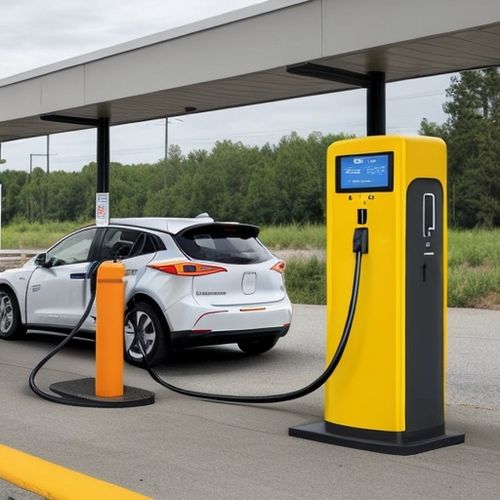
The technology deployed at these locations has evolved rapidly. Early installations often featured slower Level 2 chargers that required several hours for a meaningful charge - impractical for most travelers. Today, the majority of new installations are DC fast chargers capable of delivering 150-350 kW, allowing drivers to add hundreds of miles of range in the time it takes to use the restroom and buy a snack. This technological leap has fundamentally changed the calculus of long-distance EV travel, making it viable for millions more drivers.
Behind the scenes, a complex web of stakeholders determines where and how these chargers get installed. State transportation departments control the physical rest areas but often lack expertise in EV infrastructure. Charging networks like Electrify America and EVgo bring technical know-how but must navigate bureaucratic hurdles. Utility companies play a crucial role in ensuring adequate power supply to these remote locations. The interplay between these groups creates both opportunities for innovation and potential bottlenecks in deployment.
User experience at highway charging stations remains inconsistent at best. While some locations offer clean, well-lit charging bays with convenient amenities, others suffer from poor maintenance, confusing payment systems, or awkward parking configurations that frustrate drivers. The most successful installations seem to be those that treat charging as an integrated part of the travel experience rather than an afterthought - offering comfortable waiting areas, real-time status updates, and seamless payment options alongside traditional rest stop amenities.
Looking ahead, the coming years will likely see continued expansion and standardization of highway charging infrastructure. Federal funding from programs like the National Electric Vehicle Infrastructure (NEVI) Formula Program promises to accelerate deployment, particularly along designated Alternative Fuel Corridors. At the same time, technological advancements in battery technology and charging speeds may further reduce the time drivers need to spend at these stations, potentially reshaping the very nature of the highway rest stop experience.
The environmental impact of this transition deserves consideration. While EV charging produces no local emissions, the source of the electricity matters. Some states have prioritized pairing rest stop chargers with solar canopies or battery storage to reduce grid demand and ensure cleaner energy use. These innovations point toward a future where highway travel not only becomes more convenient but genuinely more sustainable.
For businesses operating at rest stops, the charging revolution presents both challenges and opportunities. Traditional concessionaires must adapt to serving customers who may stay longer (while charging) but potentially spend more. New business models are emerging, with some charging operators experimenting with premium amenities or subscription services. The dynamic creates an interesting tension between the utilitarian nature of traditional rest stops and the potential for these locations to evolve into more comprehensive service centers.
Ultimately, the story of charging infrastructure at America's highway rest stops mirrors the broader EV transition - marked by rapid progress, persistent inequities, and ongoing adaptation. As the country moves toward an electrified transportation future, these unassuming waystations will play an outsized role in determining how smoothly that transition proceeds. Their evolution from simple pit stops to essential energy hubs represents one of the most tangible and visible aspects of America's clean energy transformation.
By Jessica Lee/Apr 14, 2025

By Michael Brown/Apr 14, 2025
By Michael Brown/Apr 14, 2025
By Emma Thompson/Apr 14, 2025
By Elizabeth Taylor/Apr 14, 2025

By Eric Ward/Apr 14, 2025

By Amanda Phillips/Apr 14, 2025

By Sarah Davis/Apr 14, 2025

By Emily Johnson/Apr 14, 2025

By Noah Bell/Apr 14, 2025

By Natalie Campbell/Apr 14, 2025

By Emma Thompson/Apr 14, 2025

By Sophia Lewis/Apr 14, 2025

By Natalie Campbell/Apr 14, 2025

By Samuel Cooper/Apr 14, 2025

By Thomas Roberts/Apr 14, 2025

By Benjamin Evans/Apr 14, 2025

By Eric Ward/Apr 14, 2025

By Olivia Reed/Apr 14, 2025

By Jessica Lee/Apr 14, 2025